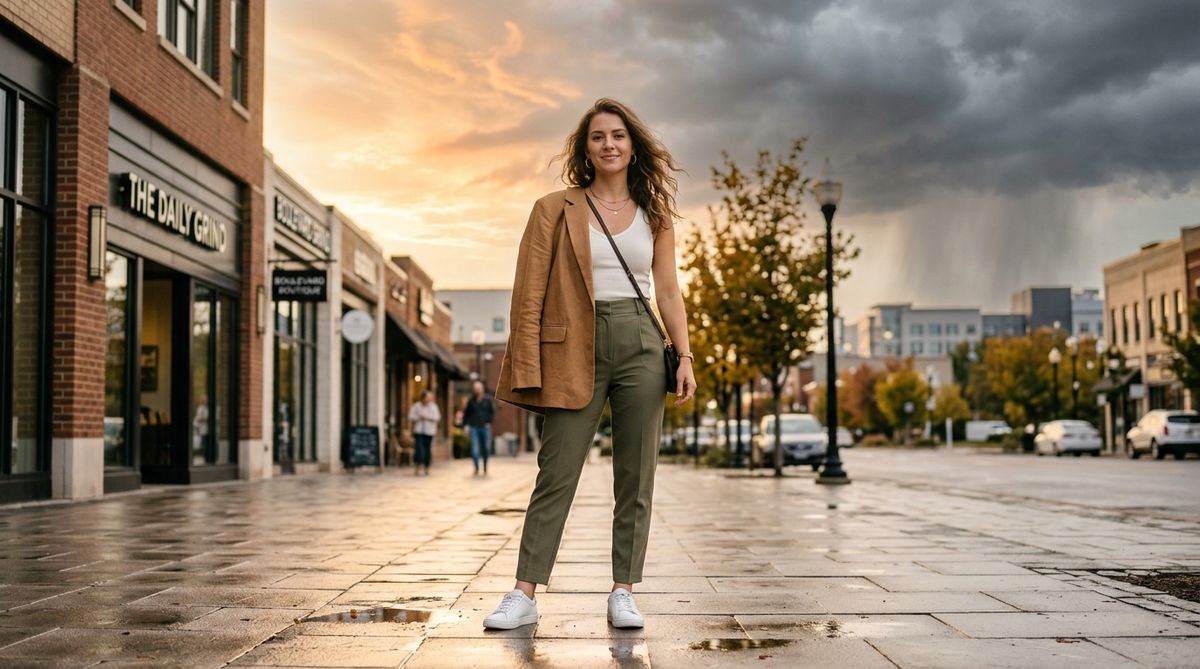
You check the temperature before heading out. It says 68°F. You throw on a light jacket, feeling great about your decision. By lunch, it's 82°F and you're carrying that jacket around like an unwanted accessory. By evening, it's back down to 55°F and you're wishing you had something warmer. Sound familiar?
Most of us make outfit decisions based on a single data point — the current temperature or the number we see when we first check our phone. But weather isn't static. It shifts throughout the day, and your clothing should account for that.
The Problem With "Right Now" Weather
Traditional weather apps give you the current conditions and maybe a high/low for the day. But that information alone doesn't tell you when the temperature will shift, whether rain is expected during your commute or your lunch break, or if the wind will pick up right when you planned to be outside.
When you dress for "right now," you're making a gamble that conditions won't change — and in most climates, that's a gamble you'll lose more often than you'd like.
Did you know? The average daily temperature swing in the U.S. is about 20°F. In cities like Denver, Phoenix, and San Francisco, swings of 30°F+ are common in spring and fall — enough to take you from needing a coat to wishing you wore shorts.
How a Full-Day Forecast Changes Your Wardrobe Game
When you plan around the full trajectory of the day's weather, something interesting happens: you start making smarter, more layered choices. Instead of a single outfit that works for one moment, you build an outfit that adapts to temperature swings and weather changes.
Consider this real scenario: a spring morning starts at 52°F, warms to 74°F by 2 PM, then drops back to 58°F after sunset with a 60% chance of rain at 5 PM. Knowing all of this upfront, you'd probably choose a breathable layer you can tie around your waist, shoes that handle wet pavement, and a compact umbrella in your bag.
The best outfit isn't the one that looks good at 8 AM — it's the one that still works at 8 PM.
The Layering Principle
Professional stylists have known this for decades: layers are the secret weapon of well-dressed people. But layering effectively requires knowing what you're layering for. A 20-degree temperature swing calls for different layers than a steady day with afternoon rain.
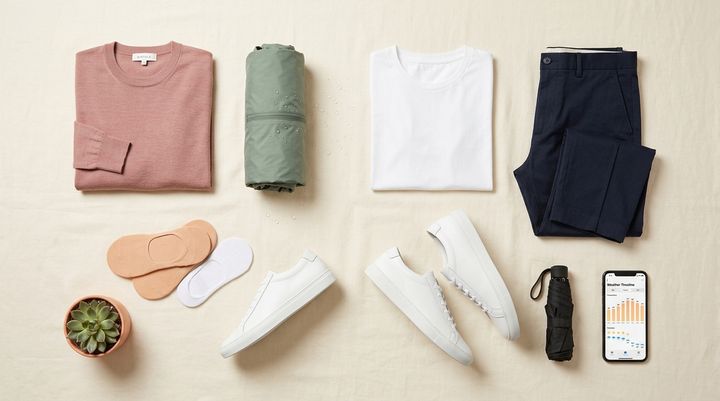
Here's a simple framework that weather-smart dressers follow. For temperature drops of more than 15°F throughout the day, bring a packable mid-layer like a light sweater or zip-up. If rain probability goes above 40% during hours you'll be outside, choose water-resistant shoes and have an umbrella accessible. For windy afternoons with gusts above 15 mph, a structured jacket holds up better than a loose cardigan.
Your Closet Already Has the Answers
The good news is that you probably already own everything you need. Most wardrobes have versatile pieces that work across conditions — we just don't think to reach for them because we're dressing for a snapshot instead of the full picture.
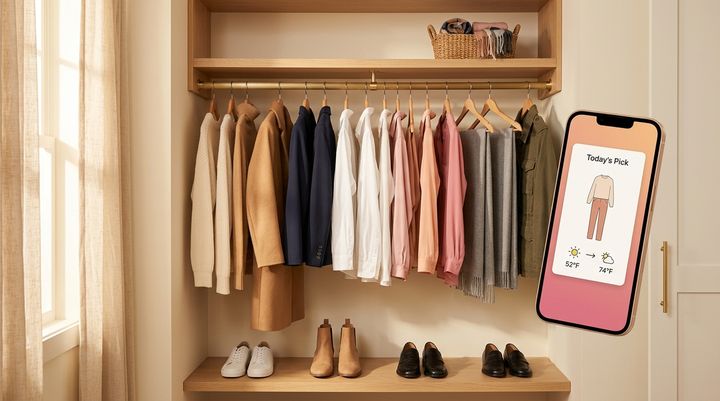
That's exactly the problem Dresr was built to solve. By analyzing the full-day forecast hour by hour alongside your actual wardrobe, it suggests outfits that account for temperature swings, rain windows, and wind patterns. You don't need a bigger wardrobe. You need a smarter way to use the one you have.
Small Change, Big Impact
Switching from "dress for right now" to "dress for the full day" sounds minor, but the impact is surprisingly large. You'll feel more comfortable throughout the day, which means better focus at work and more enjoyment during your time outside. You'll stop accumulating impulse purchases — that emergency cardigan from the store near your office — because you're already prepared. And you'll develop a stronger relationship with the clothes you own, reaching for pieces you'd forgotten about because the context now calls for them.
The bottom line: Weather changes. Your outfit should be ready for it. Planning around the full-day forecast is the simplest upgrade you can make to how you get dressed.